Your story matters. The world needs to hear it
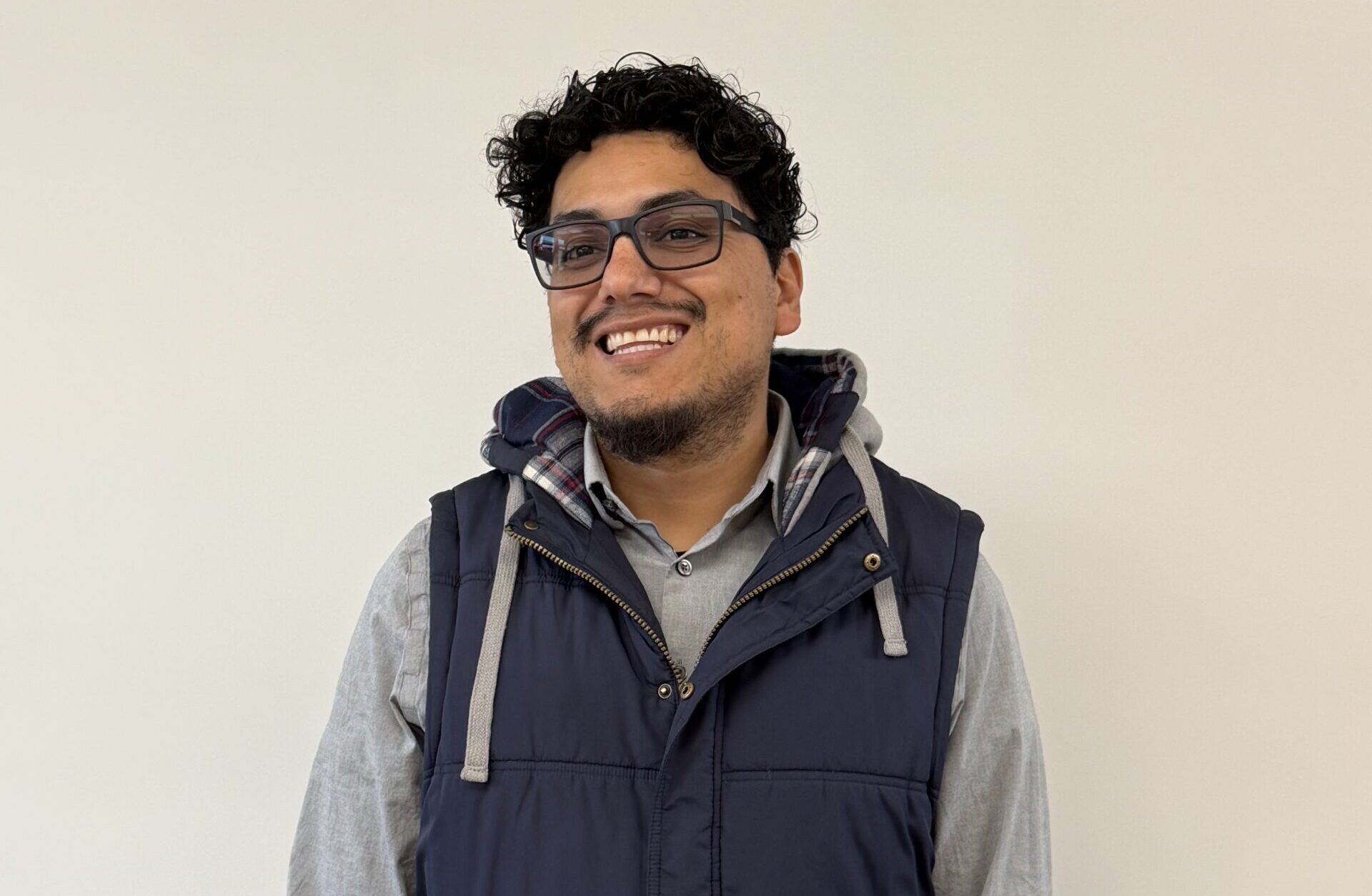
Emmanuel De La Torre, KIPP Stockton High School Ethnic Studies and History teacher
I grew up in East San José, and it was a place where cultures blended beautifully! I remember seeing Hispanic, Asian, and African American communities all living side by side. The food reflected that mix, too; you could taste the world in just a few blocks.
But as vibrant as it was, the East Side also had its challenges. Gang violence was real. The schools in the area wanted us to succeed, but there wasn’t a lot of infrastructure to support that want.
My sophomore year in high school I started taking AP courses. In that space we were encouraged to think about college and careers, but when I was not in AP classes, school often felt routine. It felt like I was just passing through. There wasn’t much focus on what came after high school. There wasn’t a collective sense of care from the school.—no mentorship and no real relationships being built with adults. I failed my freshman year of high school because I didn’t understand the purpose behind what I was doing. I had community with classmates, but not with teachers.
That feeling stuck with me when I started teaching.
My first year in the classroom happened during the pandemic and distance learning, and despite the many challenges educators were faced with at that time, I loved it. I loved watching students have those “aha” moments when something finally clicked. I loved seeing them grow and ask questions.
After three years of teaching, I stepped away for a bit. I was tired and needed time to recharge. But after two years away, I found myself missing the energy, the laughter, and the connections. I missed being around students every day. There’s something special about walking into a school and seeing 130 faces all full of potential. I missed turning frowns into smiles, calling parents to share good news, and being part of so many small victories.
Coming back to teaching, I found my home at KIPP Stockton High School, where I now teach ethnic studies and history. I’ve always loved history, but ethnic studies spoke to me on a deeper level. It gives a voice to the communities that have often been left out of the larger story. When my students realize that their families and cultures are part of American history and that their stories matter, that’s powerful. My goal is to make sure unheard stories are shared, and teach true American history beyond the Eurocentric lessons many of us have been taught.
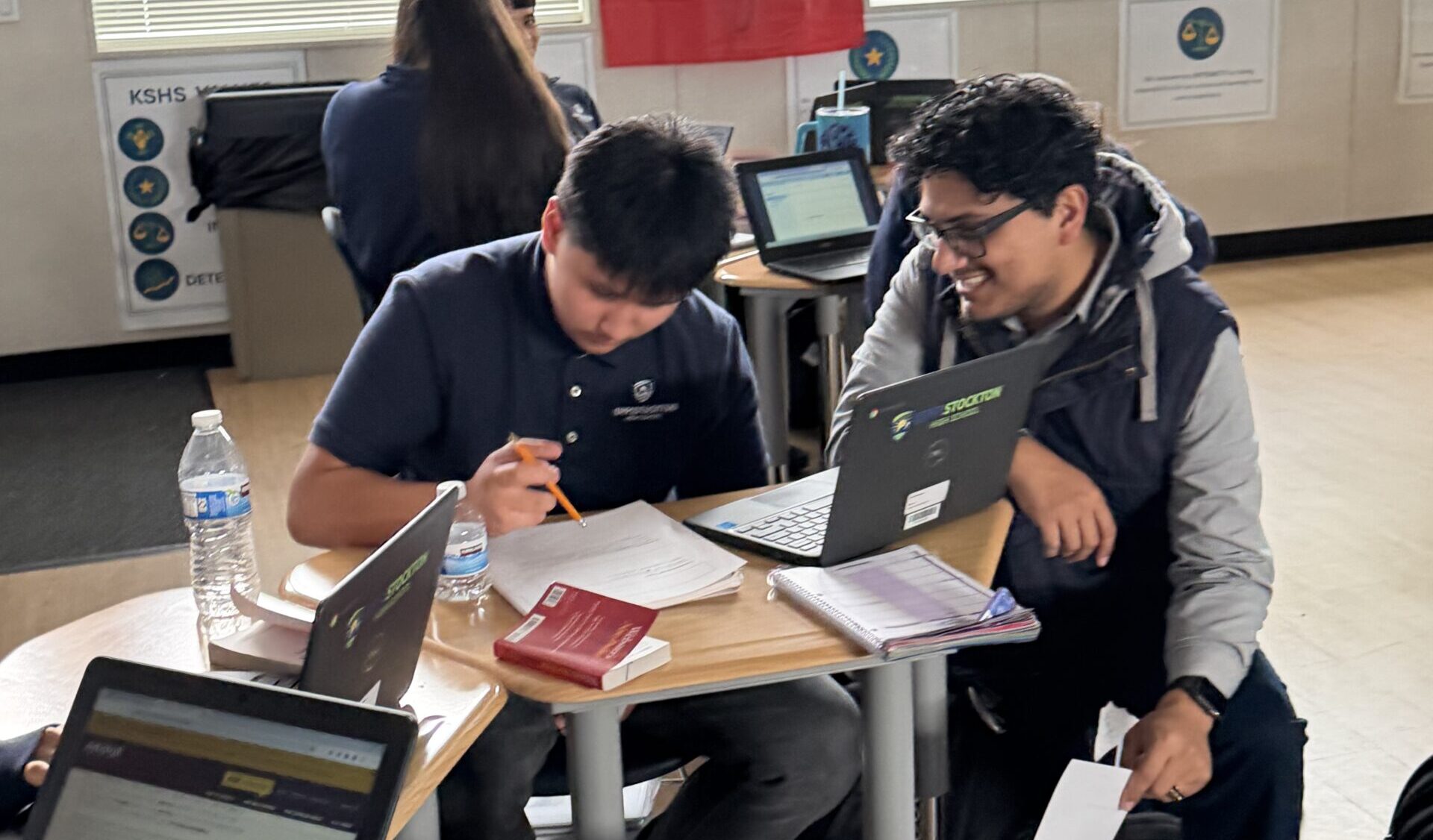
I see “lightbulb” moments all the time. When we talk about immigration, stereotypes, or civil rights, students begin to understand how the past connects to the present. They realize that many struggles have not disappeared, but rather changed form. I’ve watched my students see themselves in history, and recognize how we can come together to make change. For me, that’s what education is about: awareness leading to action.
Working with families is a huge piece of the puzzle in being a successful educator. I believe parents should be partners in their children’s education, so I make sure to stay in touch. I send updates, both positive and constructive. Sometimes it’s “hey, I haven’t seen homework from your student this week.” Other times it’s: “your student has been on top of everything, and they’re doing great.” I also try to connect personally. If a family has a small business, I’ll support it. And with Spanish-speaking families, I speak as much Spanish as I can, because I want them to feel seen and respected.
In my classroom, I’ve found that the best learning happens through conversation. It’s when our assumptions are challenged that real growth happens. I believe 100% of my students are capable of growth. Success doesn’t look the same for everyone, and my job is to meet students where they are and help them reach higher. I want them to know that their voices matter, whether they speak a few words or hundreds.
Of course, there are challenges. Students today face so many outside influences: social media, conflicting narratives about education, and a national climate that sometimes devalues learning. But I believe when learning feels connected to real life, students start to care again.
By the end of the year, I hope my students appreciate who they are. I want them to understand their collective identity and to celebrate the beauty of their cultures. I want them to leave my class knowing that their voices carry weight, that they can advocate for themselves, and that they have the power to make a difference.
Every day at school reminds me why I came back to teaching. It’s because being in the classroom feels like home. Watching students grow, hearing their laughter, seeing them find pride in who they are—that’s what fills me up. I tell my students often: your story matters. The world needs to hear it.